Mold After Water Damage Restoration: Prevention and Treatment Guide
Published: 2026-04-16 · By EmberDry Water Damage Restoration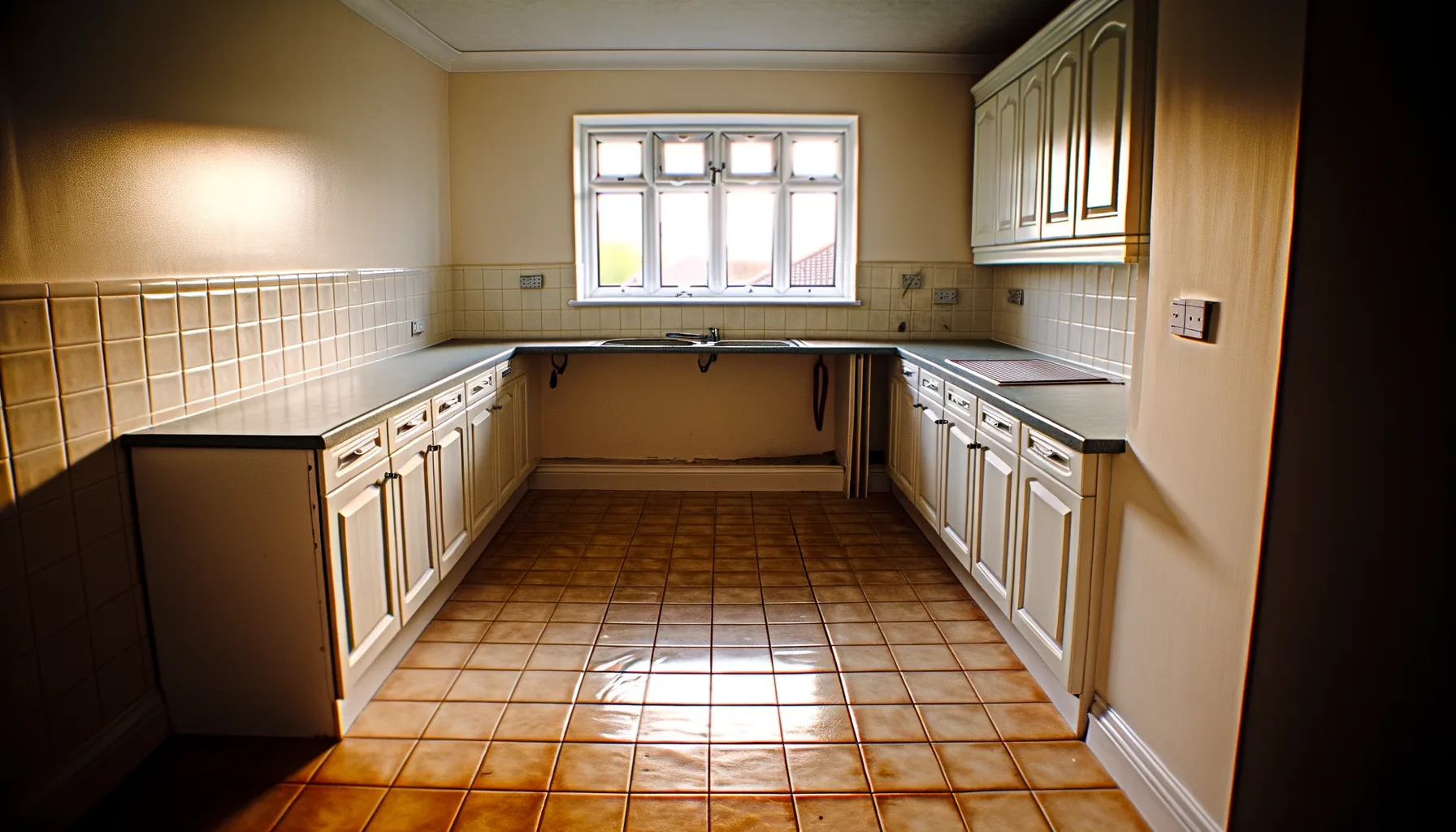
As the heat of a Houston summer blends with high humidity, it's not uncommon for homeowners to experience unexpected water damage. Imagine returning home after a downpour to find your living room flooded, only to discover that the potential danger of mold growth looms larger than the water itself. In this city, known for its severe thunderstorms and risk of hurricanes from June to November, addressing water damage isn't merely about drying surfaces. It's about preventing mold, which can bring severe health risks and costly repairs.
Why This Matters for Houston Homeowners
For Houston homeowners, water damage can be a frequent adversary, especially with our unique weather patterns and clay-dominant soil, which often affects property foundations. Once water enters a structure, mold can begin to grow within just 24 hours. Common areas for mold are behind walls, under carpets, and in spots that are not easily visible. This is especially crucial for families with young children or those with allergies, as certain types of mold can provoke respiratory issues and skin allergies.
In humid conditions, common throughout Houston, the potential for mold proliferation increases dramatically. It’s important to remember that even after professional water damage restoration, residual moisture can linger unless dealt with swiftly and effectively. You might think the problem is solved once the water is cleared, but without proper treatments, mold can quickly become a hidden menace in your home.
The lingering humidity combined with our clay soil can lead to significant foundation issues that additionally compound your water damage vulnerability. To ensure your home remains healthy, understand the importance of thorough drying, ventilation, and ongoing moisture control.
Expert Solutions & Actionable Tips
1. Identify Hidden Moisture
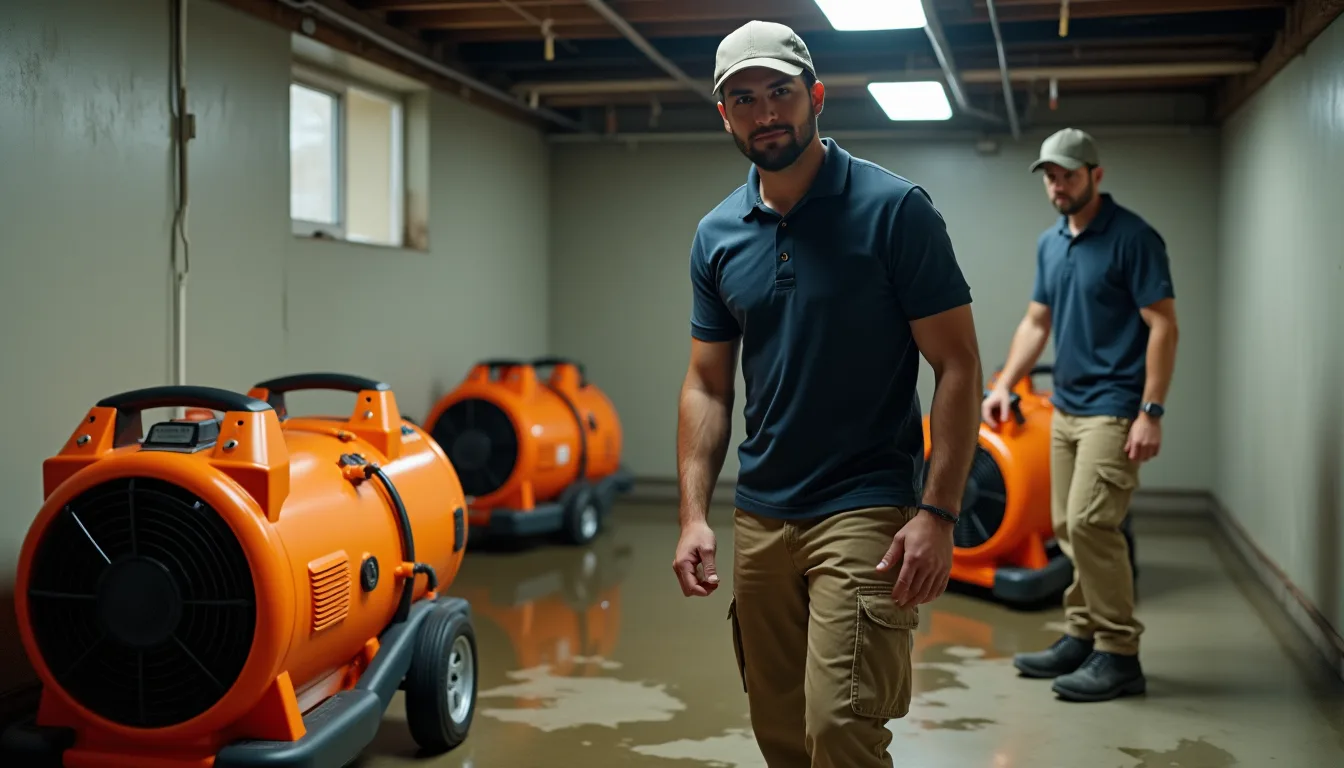
After initial water damage response, use a moisture meter to check hidden areas behind drywall and under flooring, as Houston's humidity can exacerbate any remaining dampness. These devices typically cost between $50 and $200. If moisture levels are high, consider using a dehumidifier, which can cost between $200 and $400, ensuring the air remains dry to prevent mold growth.
2. Improve Ventilation
Implementing better ventilation systems can significantly reduce humidity levels in your home. Installing exhaust fans in bathrooms and kitchens is essential; these may range from $150 to $600 depending on models. For attics, ensure vents are not blocked to help air circulate and dry out moisture-prone spaces.
3. Regular Inspections
Schedule seasonal inspections, especially before and after hurricane season, to assess and address potential water damage. Investing in a home inspection can cost around $300 to $500. Proactively managing issues can save thousands in potential repairs and safeguard your property from mold.
4. Use Mold-Resistant Products
When replacing drywall or flooring after a water event, opt for mold-resistant materials. While such products may cost 10-20% more than regular options, the investment pays off long-term by reducing chances of future mold growth, particularly in humid Houston conditions.
5. Secure Proper Drainage
A well-drained landscape surrounds your home to direct water away from foundations. Consider grading your yard and installing gutters that facilitate proper runoff. This can range from $1,000 to $3,000, but it’s critical in a region poised for heavy rains and possible flooding.
6. Consider Professional Treatments
If you suspect mold after water damage, professional treatments are advisable. Costs for remediation can range from $500 to over $3,000 depending on severity. Companies specializing in mold removal, like EmberDry Water Damage Restoration, can provide expert assessments, ensuring you handle the mold issue right the first time.
Houston Climate & Local Context
Houston's climate is notorious for its sweltering heat and oppressive humidity, creating a unique breeding ground for mold. Homes built on clay-rich soil often face foundation issues, which can exacerbate water intrusion problems. Consequently, understanding local building codes is vital for any restoration process. The city mandates that any major water damage repairs must adhere to strict regulations, ensuring safety and structural integrity.
After significant rain events or flooding, it’s crucial to check for permits before making substantial repairs. Homeowners are advised to file permits to avoid potential fines or complications in future sales. Partnering with a local service like EmberDry ensures compliance with Houston regulations while providing reliable restoration services.
When to Call a Professional
When faced with water damage, the decision to handle repairs independently or contact a professional can be daunting. DIY approaches can be successful for minor water issues; however, significant damage often requires specialized expertise to ensure thorough restoration. Certain scenarios warrant expert intervention.
- Extensive flooding exceeding a few inches
- Signs of mold growth or fungal smells
- Water damage affecting electrical systems or outlets
- Lingering moisture detected after drying attempts
- Compromised structural components due to water
Consult with EmberDry Water Damage Restoration for comprehensive evaluations, ensuring that no aspect of damage is overlooked.
Frequently Asked Questions
How long does it take to remove mold after water damage?
The timeline varies based on the extent of the damage, but most mold remediation jobs in Houston can take anywhere from 1 day to a week, depending on conditions.
What are common signs of mold in my home?
Look for visible spots on walls, a musty odor, and any health symptoms like respiratory issues, which can indicate a mold problem following water intrusion.
Will my homeowner's insurance cover mold damage?
Coverage depends on your specific policy; however, if the mold is a result of a covered water event, it may be included. Consulting with your insurance agent is essential for clarity.
What should I do if I find mold after a water damage event?
Contact a professional mold remediation service immediately. Mold removal is complex and should be handled with proper protective measures in place.
How can I prevent mold growth after a water incident?
Thoroughly dry areas within 24 hours, maintain low humidity levels, and consider using mold-resistant materials during restoration to minimize the risk of reoccurrence.
Get Expert Water Damage Restoration Service in Houston
Water damage doesn’t have to lead to mold problems, but it requires prompt action. If you suspect that water damage has occurred in your home, don’t hesitate. Call (832) 895-2396 today! With the expertise of EmberDry Water Damage Restoration in Houston, you'll receive the support you need to protect your home effectively.
Remember, quick responses lead to healthier environments. Reach out to us now for a thorough assessment and to prevent future mold issues!
Service Areas
More Articles
DIY vs Professional Water Damage Restoration: When to Call the Experts
2026-04-16
Water Damage RestorationCommon Water Damage Restoration Myths Debunked by Houston Experts
2026-04-16
Water Damage RestorationInsurance Claims for Water Damage Restoration: A Step-by-Step Guide
2026-04-16